Exploring the Heart of a Computer :Interactive Simulation and Hands-on Exploration of Processor Organization
Subject Code and Name: 23CS31C/23IT33C & Computer Organization and Architecture
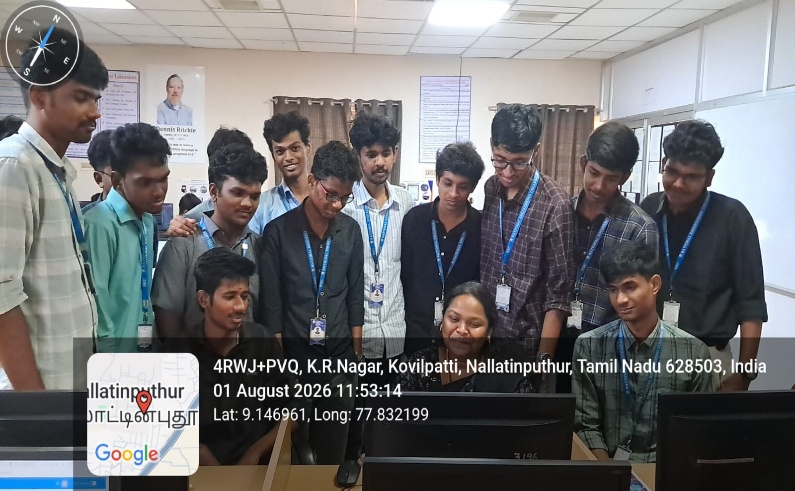
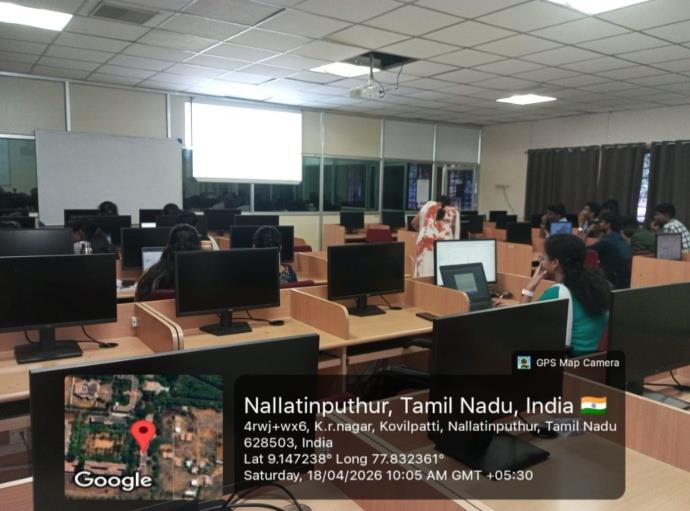
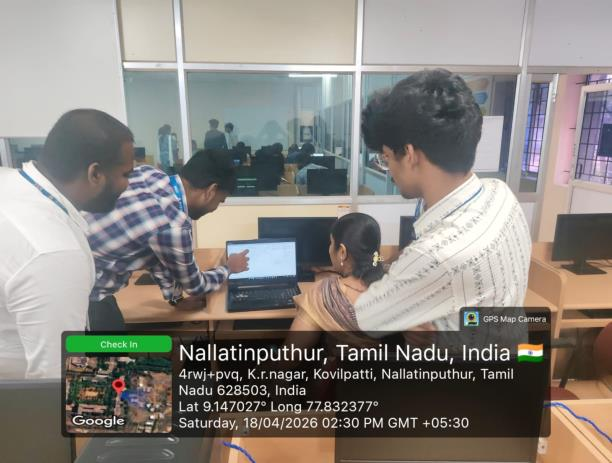
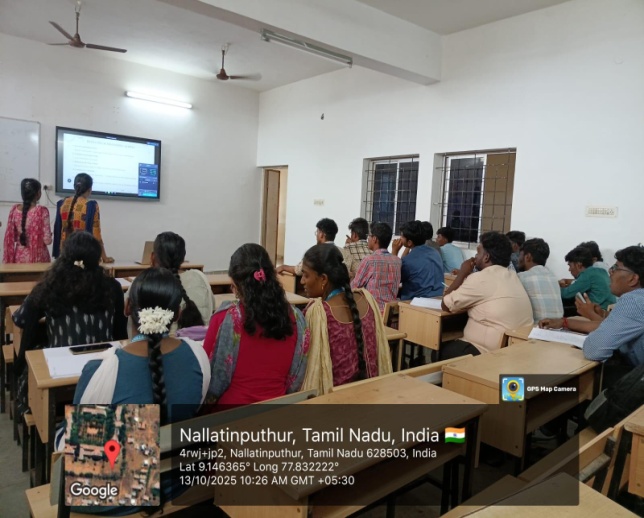
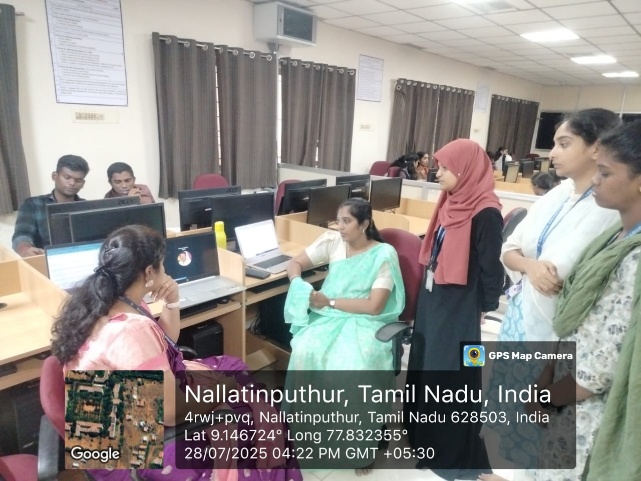
Description of Activity: A simulation-based practical learning activity was conducted for the Computer Organization and Architecture course to provide students with hands-on exposure to the internal working of a computer system. The activity integrated CompSimU-based processor simulation with PC assembly and disassembly to help students relate theoretical concepts with practical system operations.
Using the CompSimU simulation environment, students explored instruction execution, register operations, processor organization, and the interaction of various CPU components. The simulation enabled students to observe the execution of instructions step by step and understand how data moves within the processor.
As part of the hardware-oriented activity, students participated in PC assembly and disassembly, where they identified and examined major components such as the motherboard, processor, RAM, SMPS, and storage devices. Students also observed the physical connections between the components and verified the proper arrangement of hardware during assembly.The activity encouraged students to observe, analyze, discuss, and relate the simulated processor operations with the actual hardware components. Thus, the activity provided an integrated learning experience by connecting COA concepts, processor-level operations, and computer hardware architecture.
Subject Code and Name: 23CS24C & Object Oriented Programming using C++
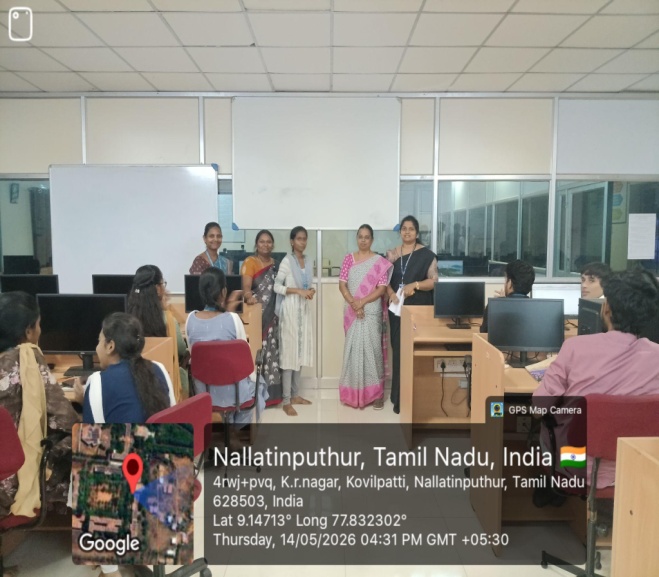
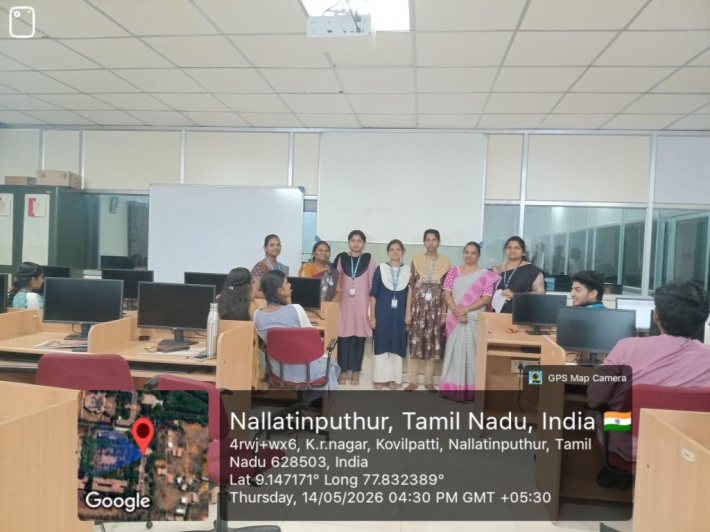
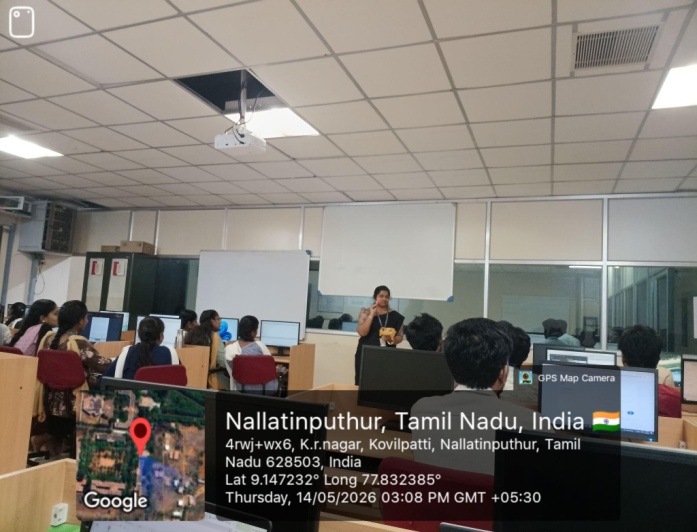
Description of Activity: The OOPS Marathon was conducted to strengthen students’ understanding of Object-Oriented Programming concepts through real-time problem-solving activities and mini-project-based scenarios. Students were assigned various application-oriented scenarios to implement concepts including inheritance, polymorphism, function overloading, operator overloading, templates, exception handling, file handling, and STL containers.
The activity encouraged students to design modular and reusable programs using C++ programming principles. Students actively participated in coding, debugging, and presenting their solutions, which enhanced their logical thinking, programming skills, and creativity. The marathon provided hands-on exposure to real-world software development practices and helped students gain confidence in applying OOPS concepts effectively in practical applications.
To recognize exceptional performance and innovative problem-solving skills, appreciation gifts were awarded to the top three students who demonstrated extraordinary coding excellence and outstanding implementation during the marathon.
End-to-End Journey: Closest Pair of Points – Simulation Tool
Subject Code and Name: 23CS44C & Design and Analysis of Algorithms
Description of Activity:
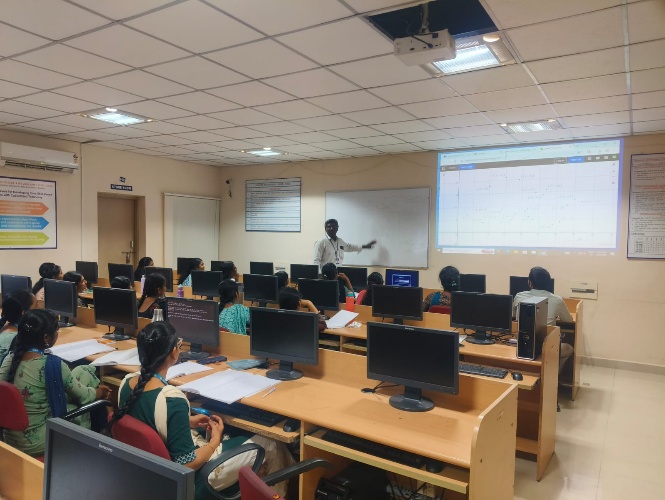
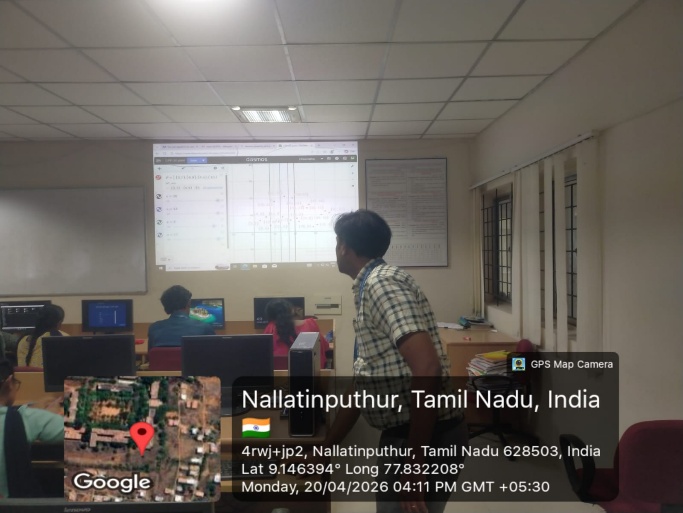
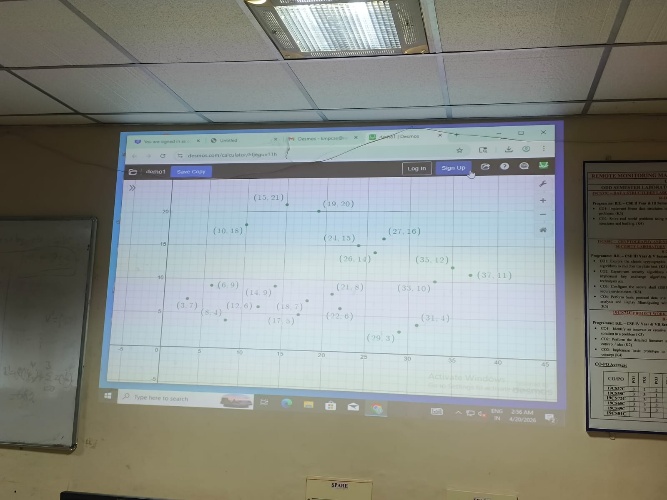
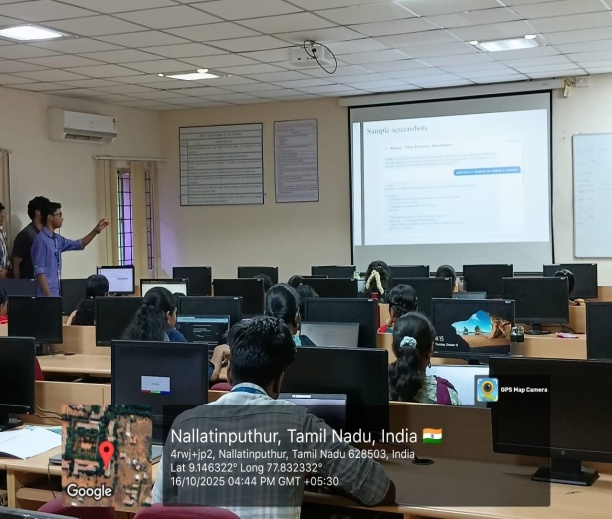
Students will use the interactive features of the Desmos Graphing Calculator to understand Closest Pair of Points by visualizing a set of points on a 2D plane and identify the closest pair among them. By dynamically adjusting point positions using sliders, students can observe how distances between points change and how the closest pair is determined.
End-to-End Journey: Workflow Automation using Camunda Modeler
Subject Code and Name: 23CS61C – Business Process Management
Description of Activity:
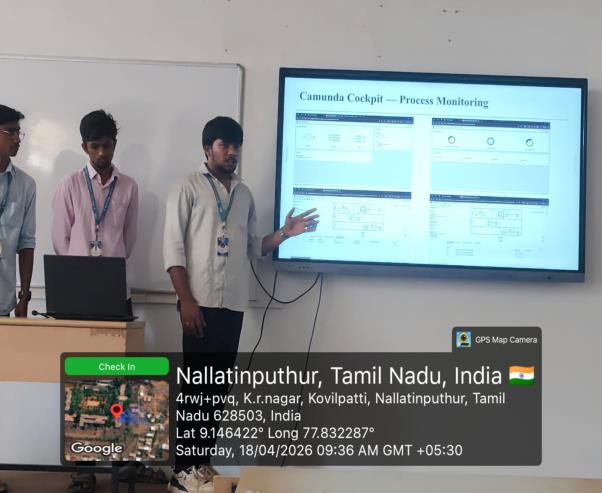
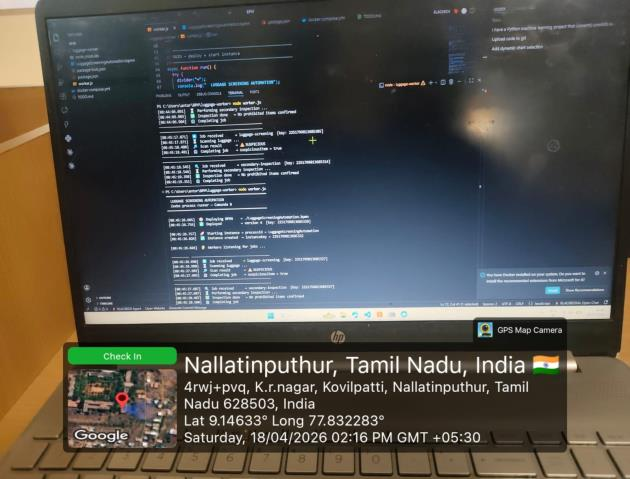
The BPM Capstone activity offered students a complete end-to-end experience in automating real-world workflows using Camunda Platform 7 and BPMN 2.0. Students designed processes in Camunda Modeler, deployed the BPM engine using Docker, implemented Node.js external task workers, and monitored live instances through Camunda Cockpit. This project enabled them to demonstrate the full BPM lifecycle — from modeling and deployment to execution and monitoring.
Flutter Widget Explorer: A Peer-Led Video-Based Learning and Professional Engagement
Subject Code and Name : 23CS18E / Full Stack App Development with Flutter and Firebase
Topic Conducted on : Exploration and Implementation of Flutter Widgets
Description of Activity:
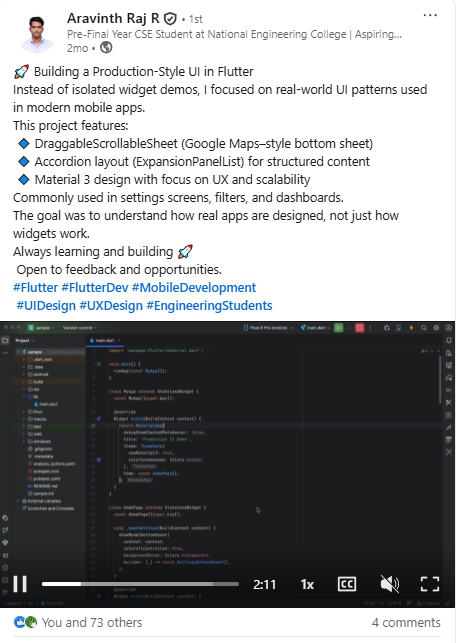
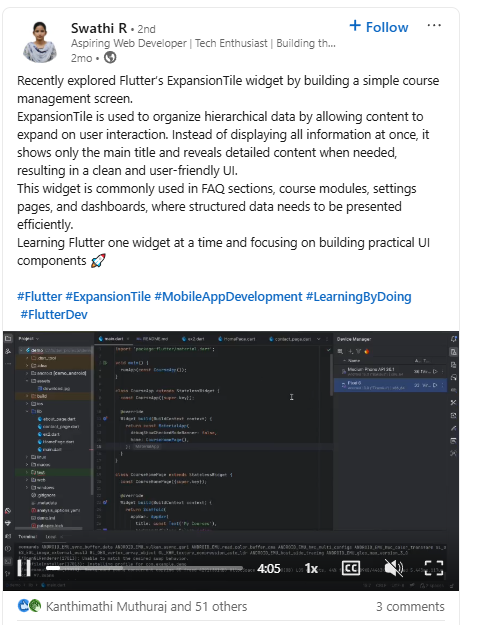
The Flutter Widget Explorer activity enables students to gain in-depth knowledge of Flutter widgets through a peer-led and activity-based learning approach. Each student selects a unique widget, studies its features, and implements it within a Flutter application. They then create a video demonstration explaining the widget’s properties, code implementation, output, and practical use cases.
Students present their explanations in English to enhance technical communication skills, and the videos are published on LinkedIn to encourage peer learning and professional visibility. By exploring their classmates’ contributions, students gain exposure to a wide range of Flutter widgets beyond their individual assignments.
This activity promotes self-directed learning, collaboration, and hands-on practice while also helping students build confidence in presenting technical concepts and aligning their skills with industry expectations.
Subject Code and Name: 23CS55C / 23IT52C & Artificial Intelligence
Description of Activity:
The Industrial Capstone Micro Project activity enables students to apply Artificial Intelligence concepts to solve real-world industry-based problems. Each student team identifies a practical issue faced in domains such as environmental sustainability, healthcare monitoring, smart systems, automation, or data analytics provided by TCS. Based on the identified problem, teams design and develop AI-driven solutions using modern tools, frameworks, and platforms.
Students work collaboratively to define the problem statement, gather or simulate datasets, build AI models or intelligent agents, evaluate system performance, and present the final solution. The activity bridges theoretical learning with practical implementation, helping students gain hands-on experience aligned with real industrial expectations.
Subject Code and Name: 23CS55C / 23IT52C & Artificial Intelligence
Description of Activity:
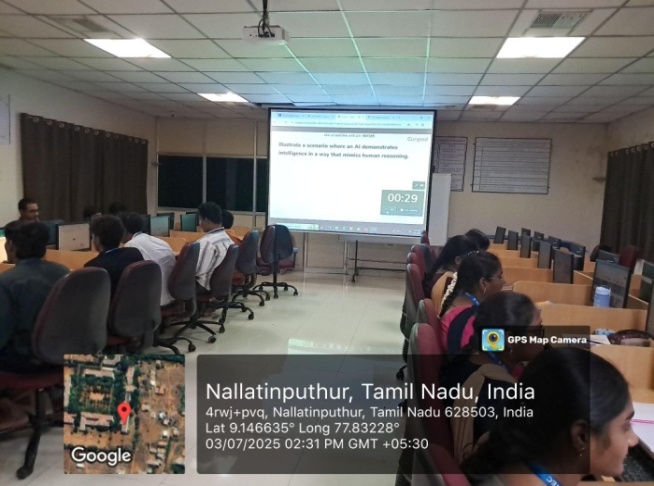
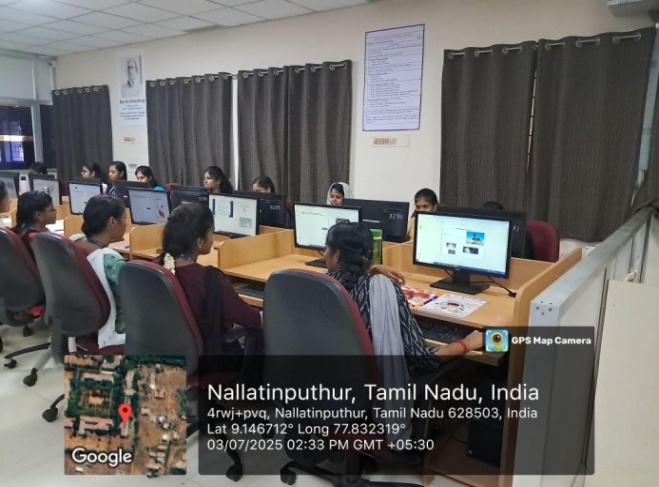
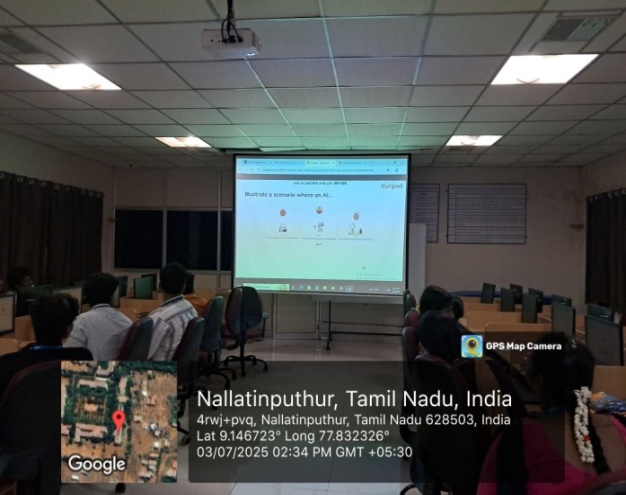
Each student was asked to draw an intelligent agent in Curipod(that best describes its activity) and voting feedback was asked to rate the best drawing that describes an intelligent agent. The students actively participated in the drawing activity expressing their innovation and creativity and provided rating feedback of other students drawing. The students learnt the characteristics of intelligent agents which is not only mimicking a human activity but also beyond human intelligence.
End-to-End Journey: SIMULATION AND ANALYSIS INTEGRATED LEARNING – OPTIMIZATION ALGORITHMS USING VLABS
Subject Code and Name: 23CS55C / 23IT52C & Artificial Intelligence
Description of Activity:
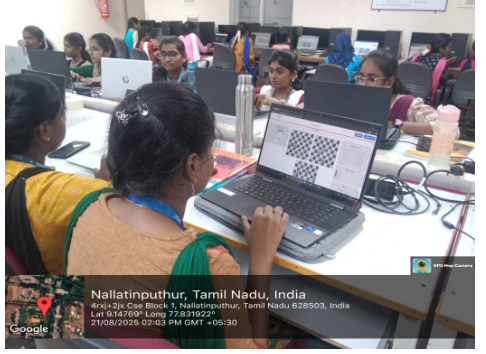
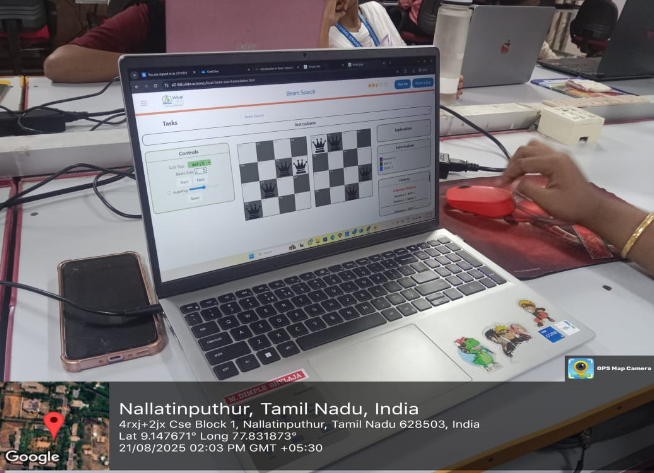
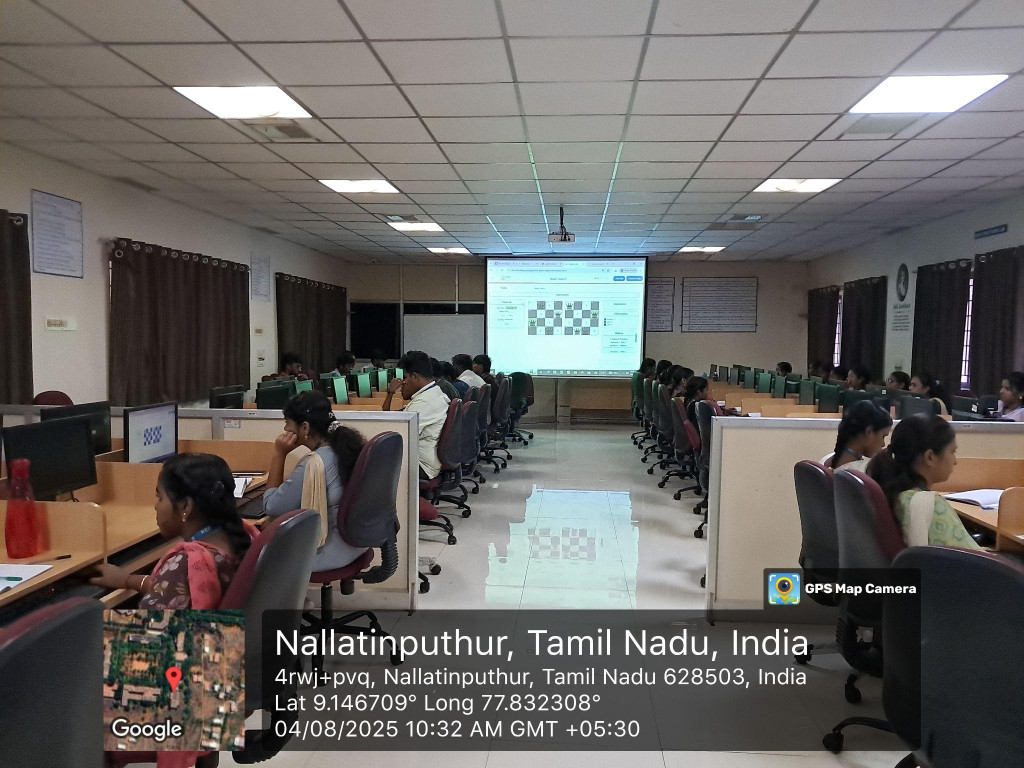
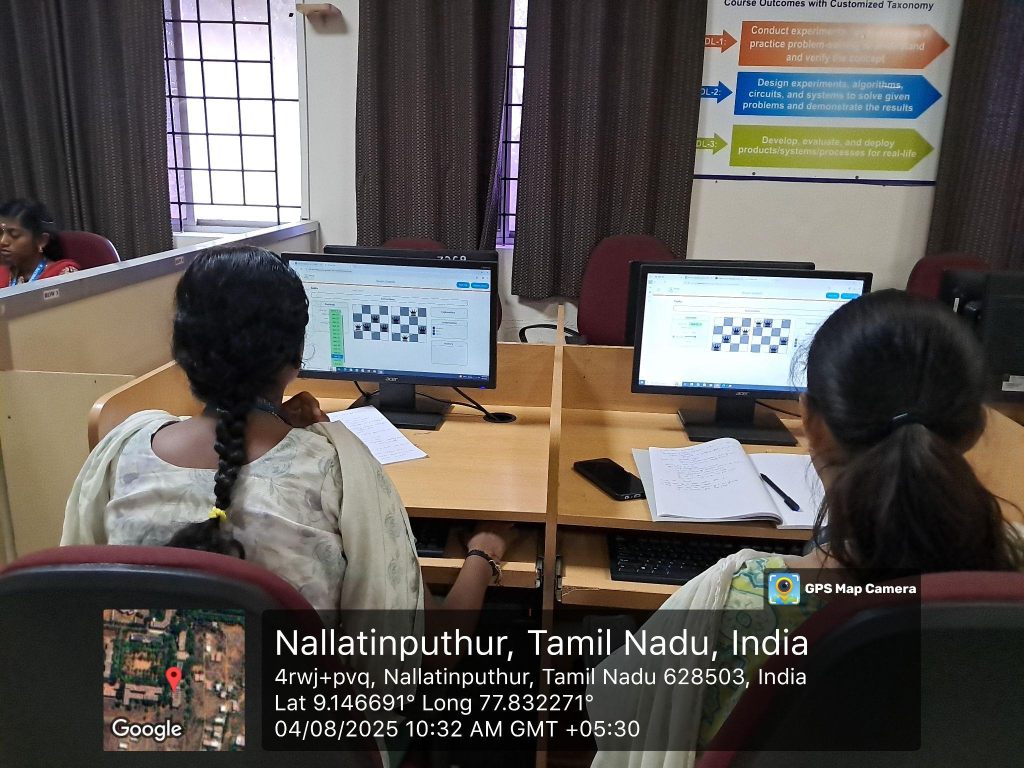
In this subject, the optimization technique Local beam search was taught with the help of Vlabs simulation software. The students were given demonstration with Vlabs simulation, where N-Queens problem was analyzed for better optimization results. The students performed analysis and learnt how the beam size and the initial random position converges faster to the better optimal solution by the simulation.
End-to-End Journey: Real-User Research (Live Interview) to Design Implementation
Subject Code and Name: 23CS32E/23IT32E/23AD32E- UI/UX Design
Description of Activity:
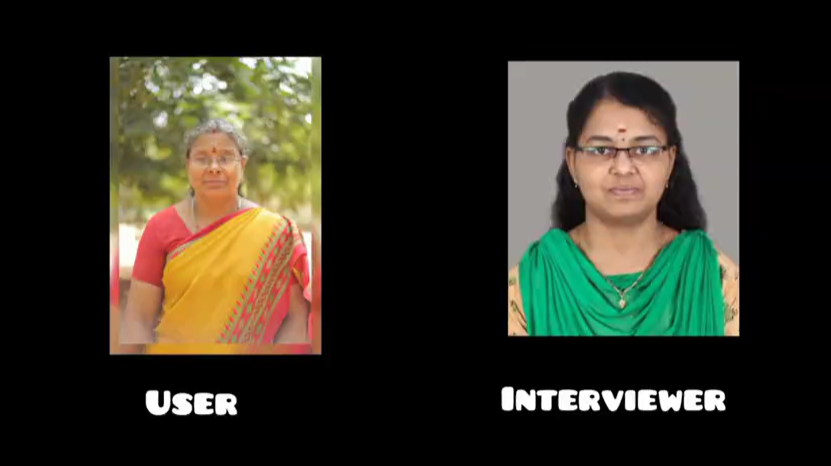
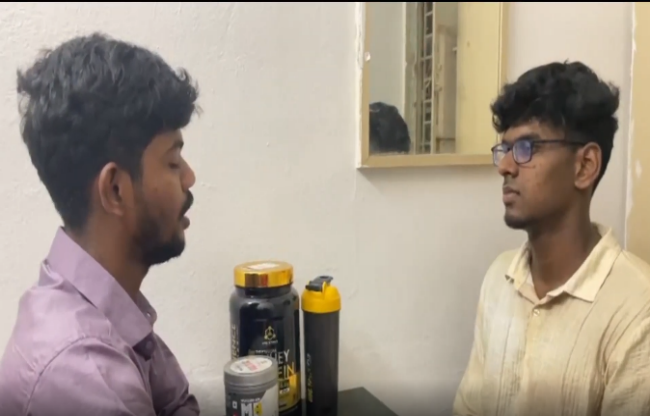
The UI/UX Design course followed an Experiential learning approach with a focus on Real user interviews as a core method for UX research. The structured interviews were conducted with the targeted users based on the problem, and research findings were then incorporated throughout the semester. The identified pain points and gain points were used to empathize with user needs and leads to the creation of a user-centered product. The information architecture and micro-interactions were designed based on real user research findings, ensuring a thoroughly user-centric experience. It enabled students to create a strong case study, enhance critical thinking, and build an industry-ready portfolio centered on user research. The live interviews also improved their communication, empathy, and confidence.
Course Handled by : Mrs.R.Vazhan Arul Santhiya, AP/CSE
PLACEMENT-ORIENTED PROGRAMMING PRACTICE (DATA STRUCTURES)
DS Edge: Crack Placements with Confidence
Subject Code and Name: 23CS32C – Data Structures
Description of Activity:
The DS Edge: Crack Placements with Confidence session implemented an innovative, hands-on teaching approach to enhance students’ coding skills and placement readiness. Learners practiced industry-style data-structure problems, improving accuracy, efficiency, and conceptual clarity. Students practiced problem statements aligned with coding challenges commonly used by top-tier companies during their hiring processes, promoting self-learning and peer collaboration. Each group presented an initial solution, followed by others refining and producing more optimized approach, strengthening analytical and optimization-focused thinking. Outstanding performers were recognized with complimentary gifts, boosting motivation. The initiative effectively improved algorithmic reasoning, communication skills, and confidence for technical interviews and competitive coding assessments.